

Iran War Oil Prices Surge Above $100
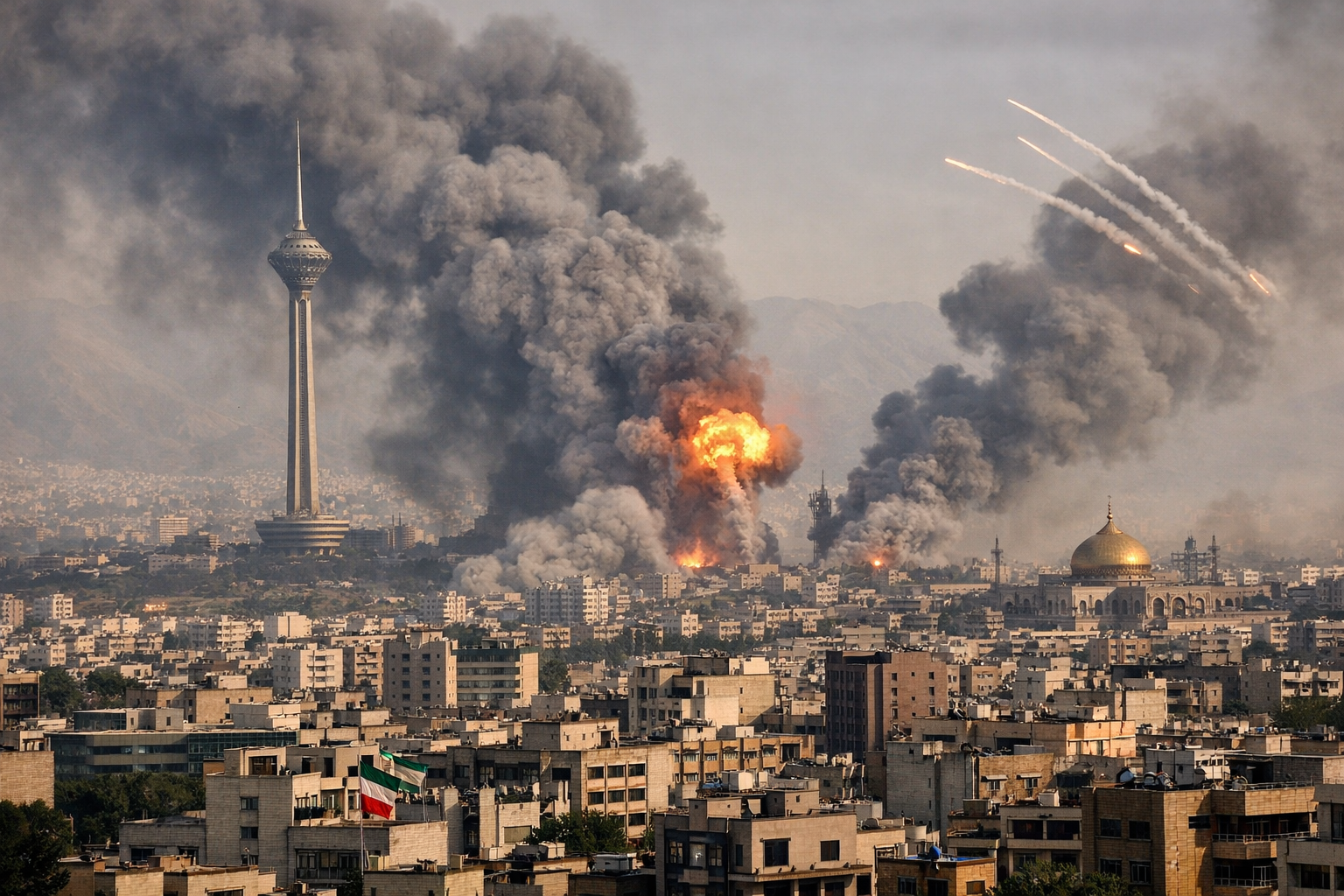
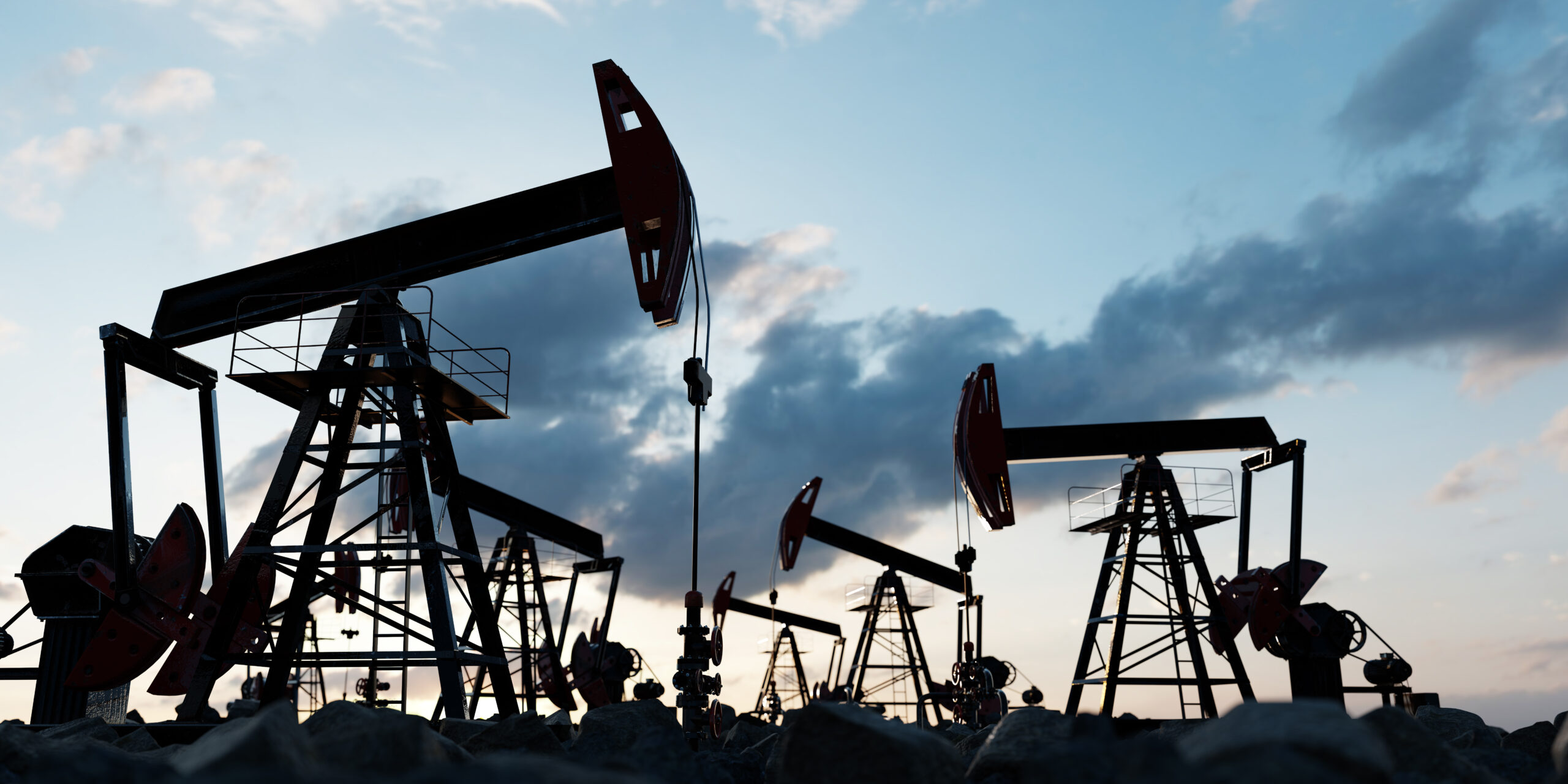
Iran War Oil Prices have surged above $100 per barrel as the conflict in the Middle East continues to escalate. The sharp rise in crude oil prices has raised concerns about global energy supply and its impact on the world economy.
Energy analysts say the ongoing tensions involving Iran could disrupt oil shipments from the region, which is one of the most important energy hubs in the world.
Strait of Hormuz Crisis Raises Global Concerns
The biggest concern related to Iran War Oil Prices is the potential disruption of the Strait of Hormuz. Nearly one-fifth of the world’s oil supply passes through this narrow waterway connecting the Persian Gulf with global markets.
If the conflict intensifies and shipping routes are affected, experts warn that Iran War Oil Prices could rise even further, putting pressure on fuel prices and global economies.
Global Markets React to Iran War Oil Prices
Financial markets across the world are reacting to the sudden rise in Iran War Oil Prices. Higher crude oil prices can lead to:
- Increased fuel costs
- Rising inflation
- Pressure on global stock markets
- Slower economic growth
Countries heavily dependent on oil imports may face the biggest economic impact if prices continue to rise.
Energy Markets on High Alert
Energy traders and governments are closely monitoring the situation as Iran War Oil Prices remain volatile. Any escalation in the conflict or threats to oil tankers in the Strait of Hormuz could trigger another sharp spike in oil prices.
Conclusion
The surge in Iran War Oil Prices highlights how geopolitical conflicts can quickly affect global energy markets. With tensions rising in the Middle East, the world is watching closely to see whether the situation stabilizes or leads to further increases in oil prices.